Locally owned tour operator in Shillong · Meghalaya & North East India

Culture That Lives With The Land

Meet the communities whose traditions shaped these hills.

Khasi Culture in Meghalaya
MEGHALAYA CULTURE

Khasi Culture

The matrilineal society of the central highlands, where lineage and property pass through the youngest daughter.

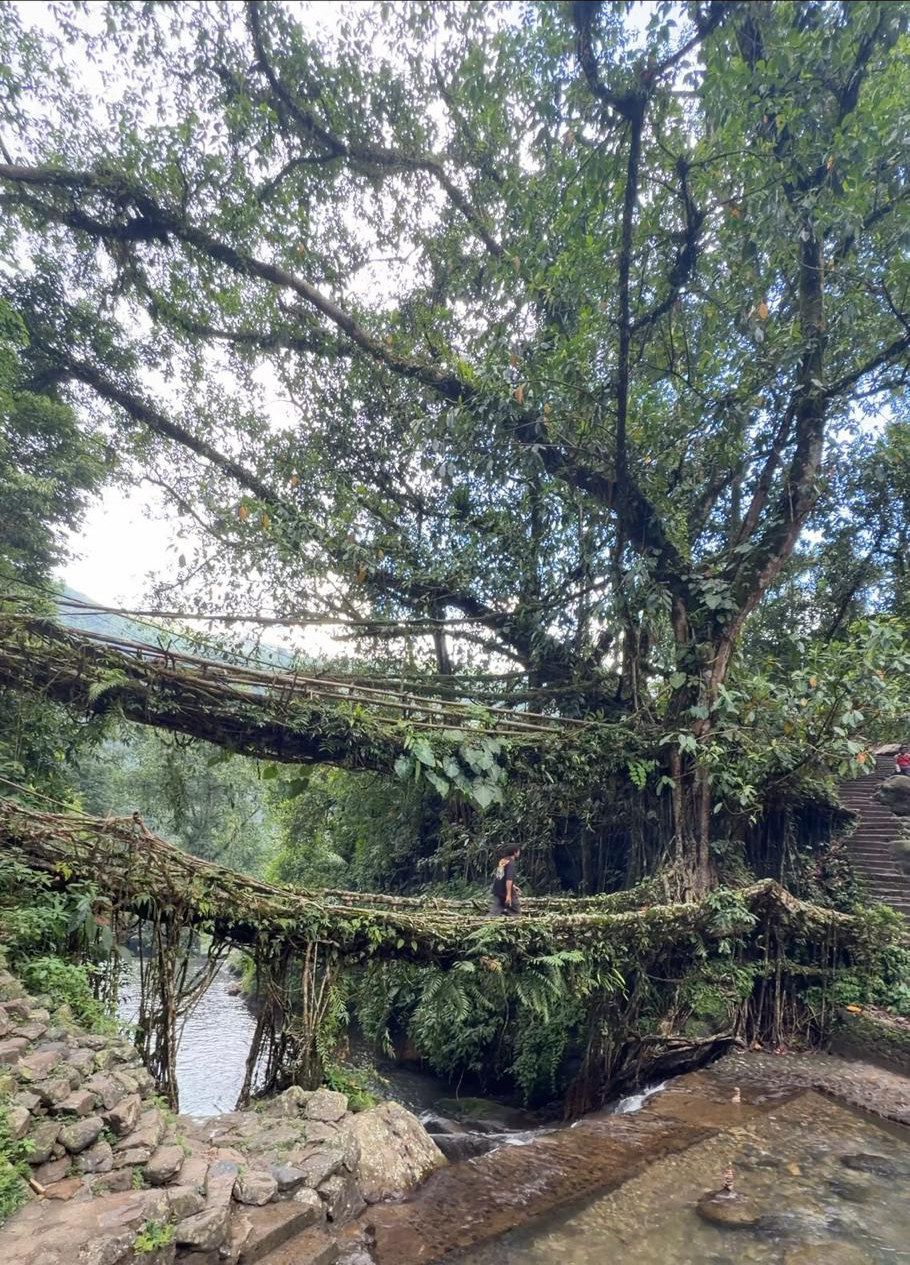
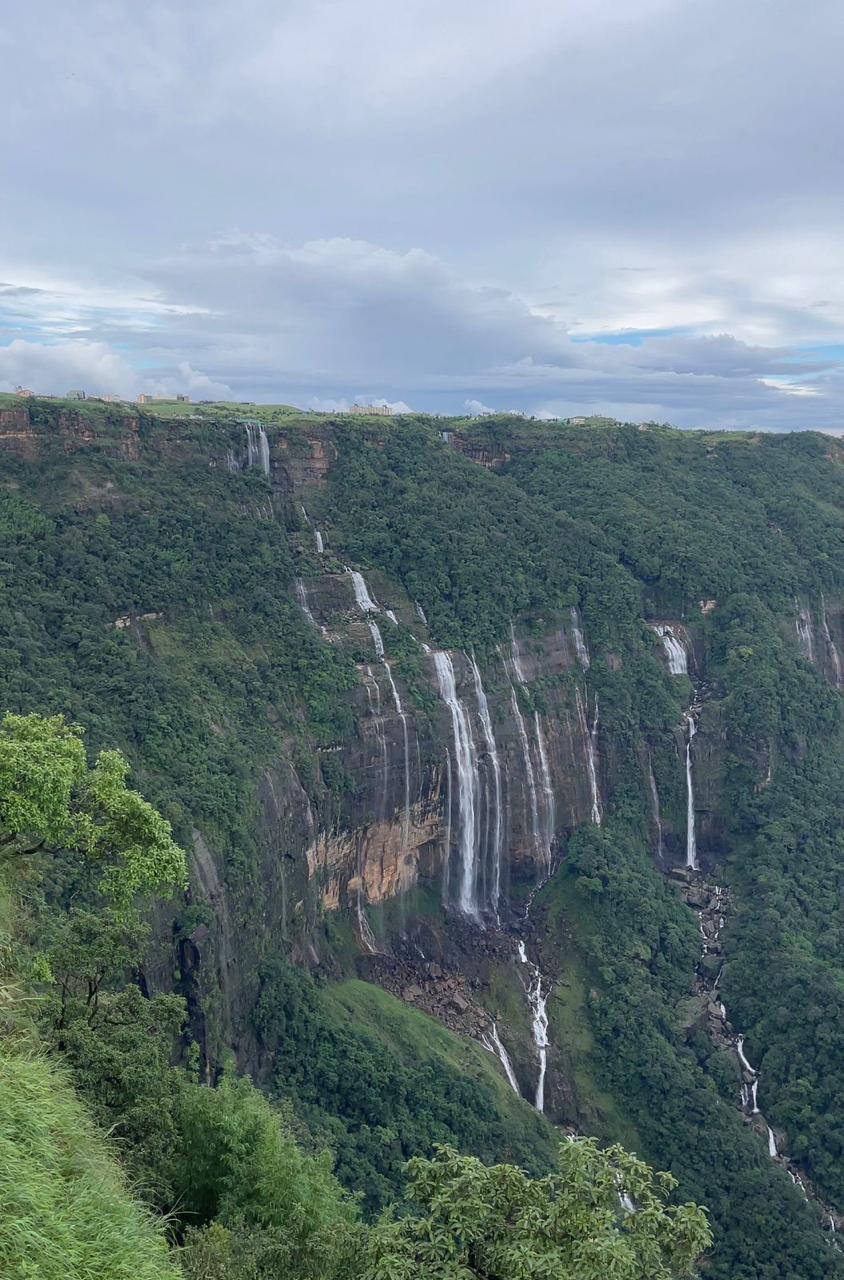
The Khasi are the largest community in Meghalaya and one of the world's few surviving matrilineal societies — children take the mother's clan name, and the ancestral property passes to the youngest daughter, who is also responsible for the care of her parents. Traditional Khasi religion, Niam Khasi, coexists with a large Christian population, and the monoliths you see standing in fields across the hills are memorials raised by clans over centuries. Shad Suk Mynsiem, the spring thanksgiving dance in Shillong, is the best introduction to it.
Jaintia Heritage in Meghalaya
MEGHALAYA CULTURE

Jaintia Heritage

Monoliths, sacred groves and the old Jaintia kingdom of the eastern hills.

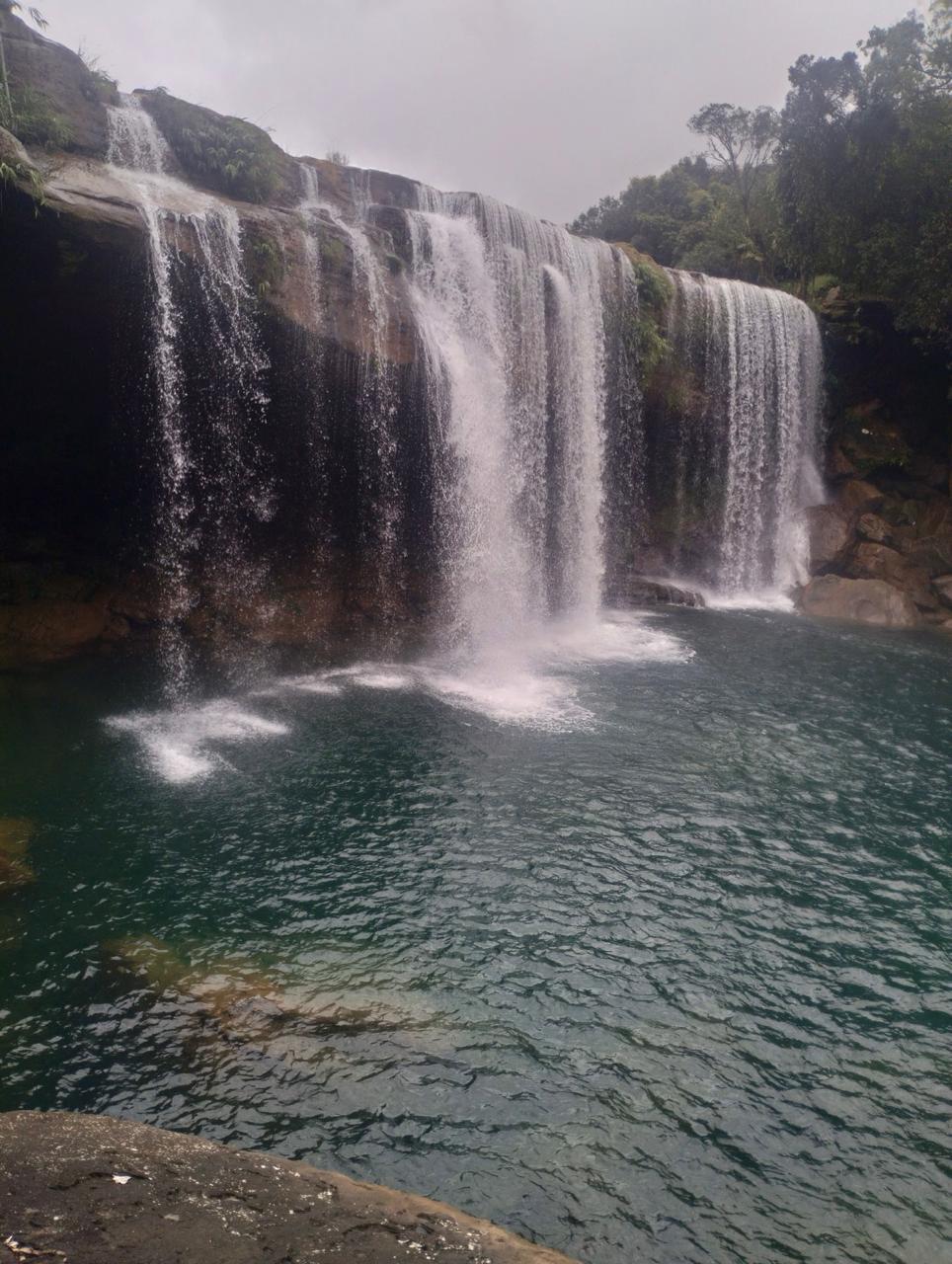
The Jaintia (Pnar) hills carry the traces of a kingdom that ruled from Nartiang, where the largest cluster of monoliths in Meghalaya still stands in a grove — some over eight metres tall, raised between the 16th and 19th centuries. The region keeps its own dialect, its own festivals like Behdienkhlam at Tuber, and sacred forests that have never been logged.

Garo Traditions in Meghalaya
MEGHALAYA CULTURE

Garo Traditions

The western hills, the Wangala harvest festival and the hundred-drum dance.

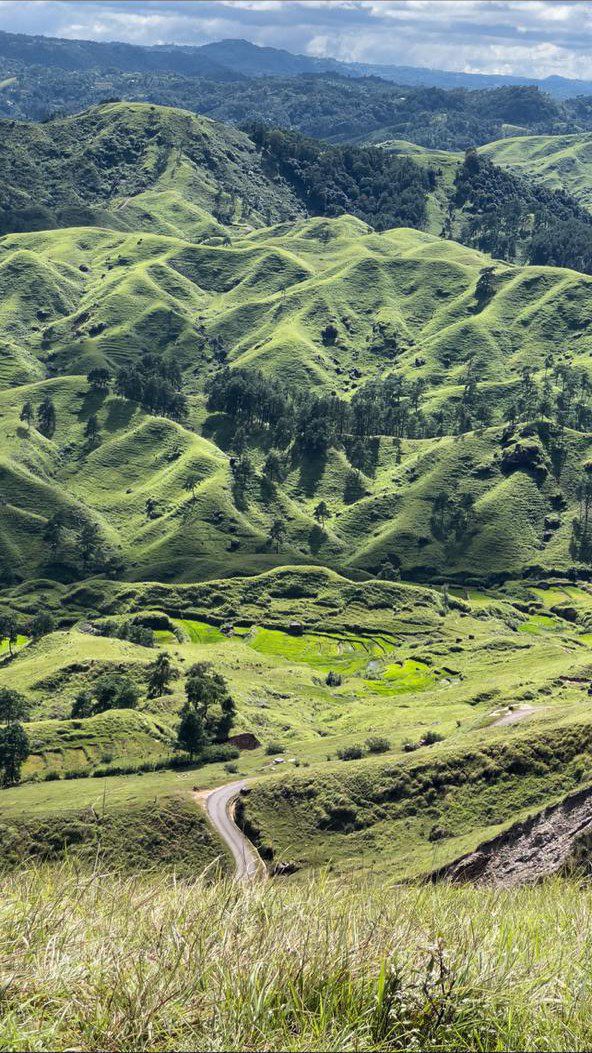
The Garo hills in the west are a different Meghalaya — lower, hotter, thickly forested, and home to the Garo (A'chik) people. Wangala, the post-harvest thanksgiving to the sun god Misi Saljong, fills November with the hundred-drum dance. Balpakram National Park, which the Garo call the land of perpetual winds, sits on the southern edge of the plateau.

Festivals & Dance in Meghalaya
MEGHALAYA CULTURE

Festivals & Dance

Shad Suk Mynsiem, Behdienkhlam, Wangala and Nongkrem — the calendar that shapes the year.

Meghalaya's festivals are participatory rather than performed. Shad Suk Mynsiem in April brings Khasi dancers in gold and silk to Shillong for a spring thanksgiving. Behdienkhlam at Jowai in July is a raucous monsoon rite to drive out plague. Nongkrem at Smit in November is the Khasi harvest dance at the Syiem's court, and Wangala in the Garo hills closes the year with drums. Tell us your dates and we will tell you what is on.

TRAVEL RESPONSIBLY

These are living communities,
not attractions.

Ask before photographing people, pay the village entry fees that fund maintenance, carry your waste out, and buy from local sellers rather than bringing everything in.

YOUR MEGHALAYA AWAITS

Tell us what you want
to experience.

Send us your dates and we will build the itinerary — free, with honest line-by-line pricing.